
Karshi State University establishes this policy to encourage and maximise the safe, technically feasible reuse and recycling of water wherever possible. The policy aims to reduce avoidable demand for freshwater, support sustainable campus operations, protect public health and the environment, and ensure that reuse is planned, monitored and documented. This policy applies to all university-owned or university-managed sites and facilities, including teaching buildings, offices, laboratories, student accommodation, service areas, landscaped grounds, water supply and storage infrastructure, and relevant construction or renovation projects. It applies to university units, employees, students, contractors and service providers whose activities affect water use or reuse.
The University shall identify and implement opportunities to reuse or recycle water wherever this is technically feasible, legally compliant, environmentally responsible and safe for the intended purpose. Freshwater should not be used where a suitable, approved alternative source can meet the same non-potable need without creating health, environmental or operational risks.
Prioritise suitable treated water and collected rainwater for non-potable purposes, including landscape irrigation and other approved technical uses.
Assess opportunities to collect, store, treat and reuse rainwater from roofs and other suitable surfaces.
Assess opportunities for wastewater or greywater treatment and reuse where infrastructure, quality controls and applicable requirements permit.
Use water-efficient equipment and maintain plumbing, storage, treatment and distribution systems to prevent leaks and avoidable losses.
Include water reuse considerations in relevant new building, renovation, landscaping and infrastructure planning.
Record water reuse activities and review performance periodically for continual improvement.
Potential sources include collected rainwater, suitable treated wastewater, greywater and other non-potable water streams assessed and approved for the intended use. Reuse may only occur after the source, treatment requirements and end use have been assessed by the responsible technical unit.
Water source | Potential reuse | Conditions |
|---|---|---|
Collected rainwater | Landscape irrigation and other suitable non-potable uses | Safe collection/storage; suitability assessed. |
Treated wastewater or greywater | Irrigation, toilet flushing or other approved technical uses | Appropriate treatment, risk assessment, separated pipework and compliance checks. |
Other suitable non-potable water | Approved technical uses | Technical assessment and approval required. |
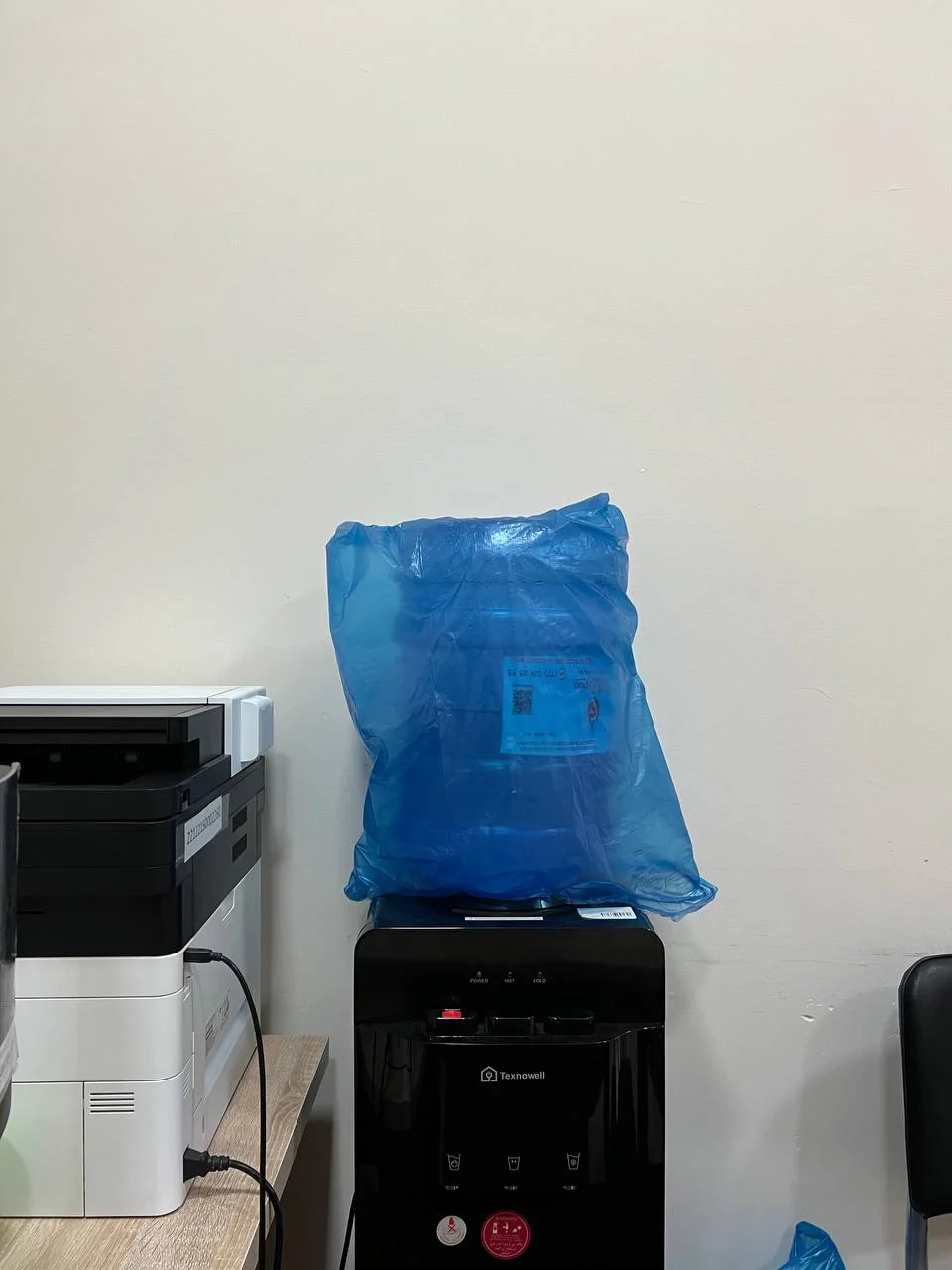
Purified artesian/groundwater | Drinking or domestic supply, as approved | Purification alone is not wastewater reuse unless previously used water is treated and reused. |
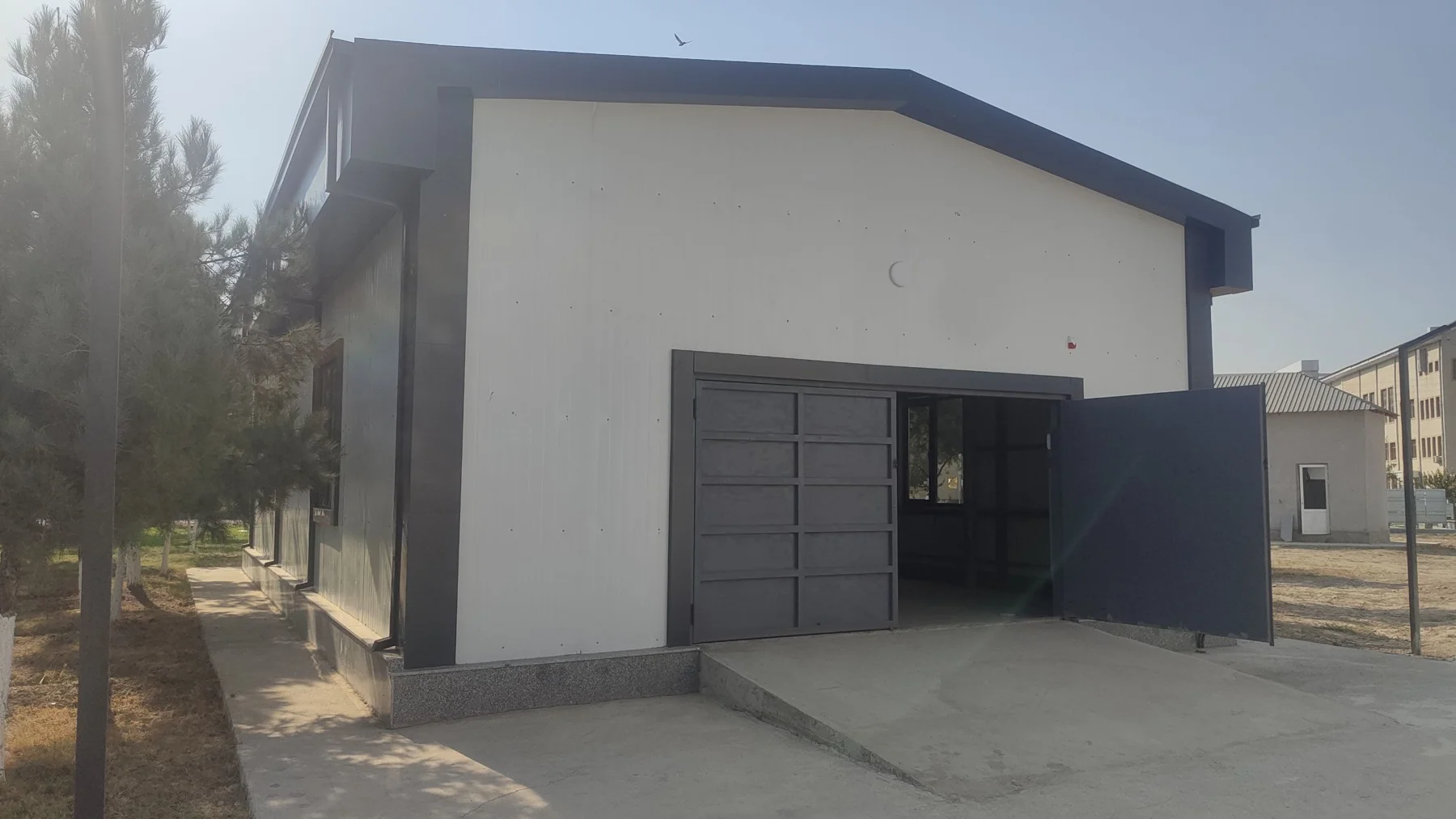
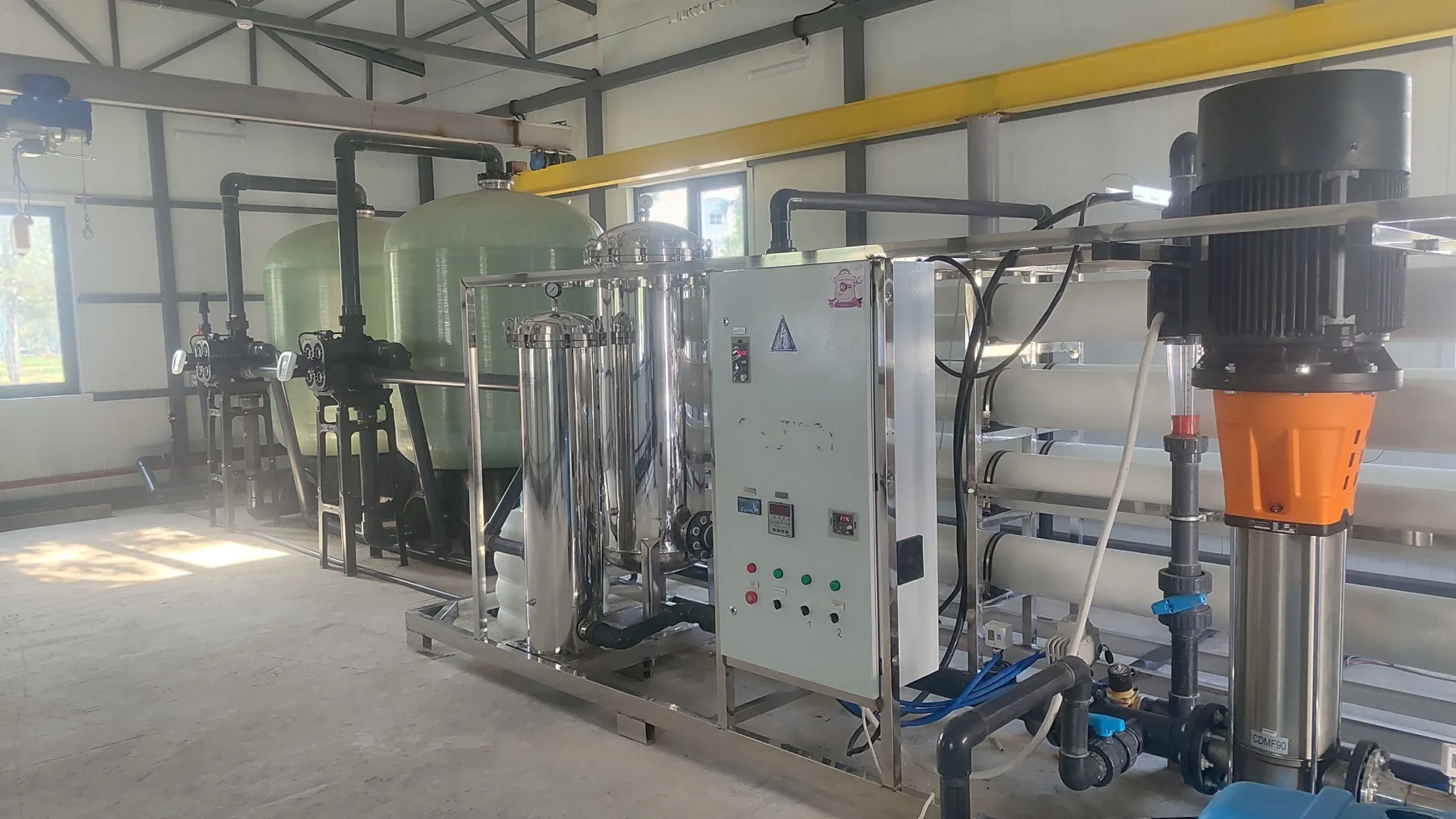
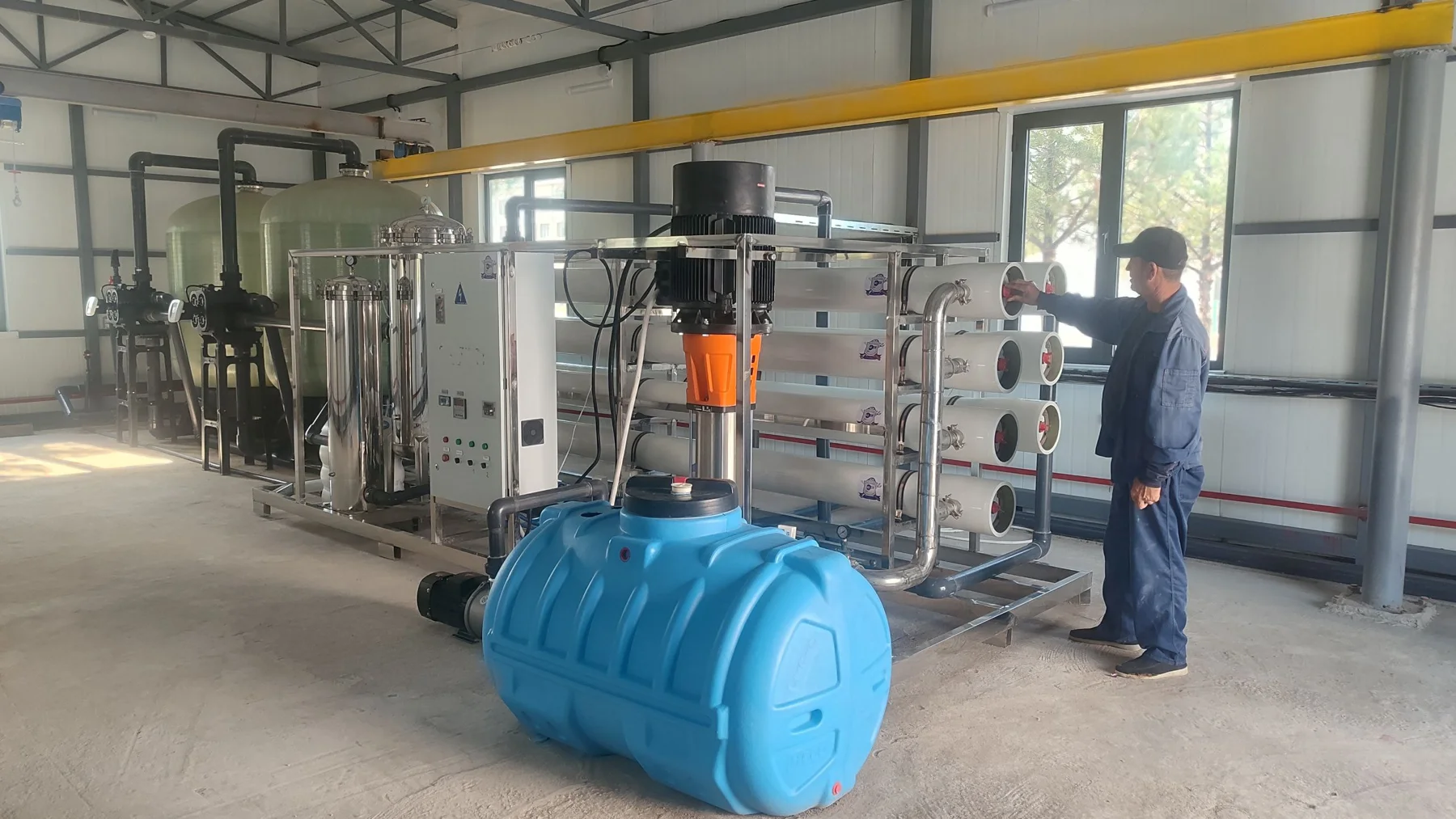
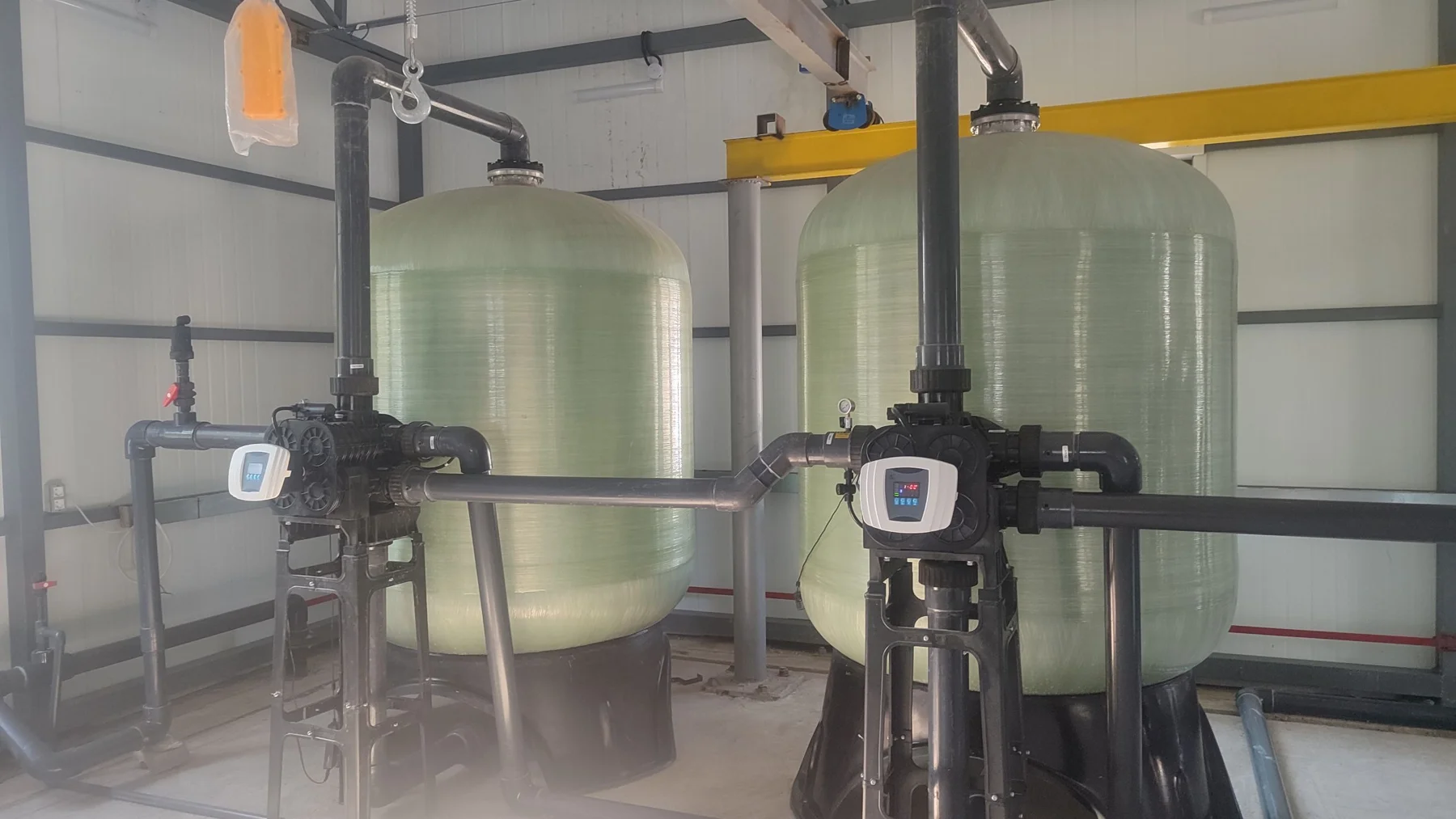
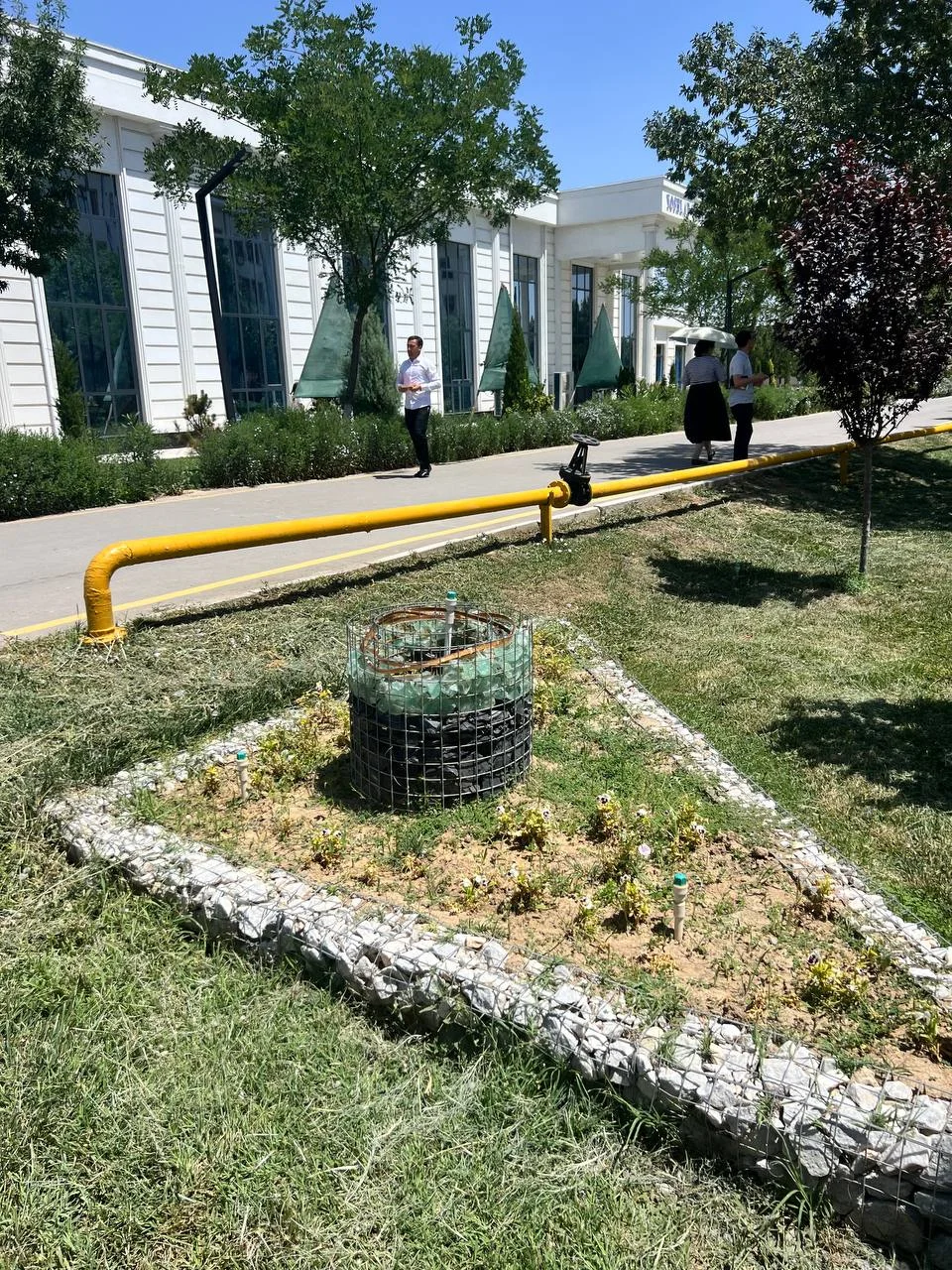
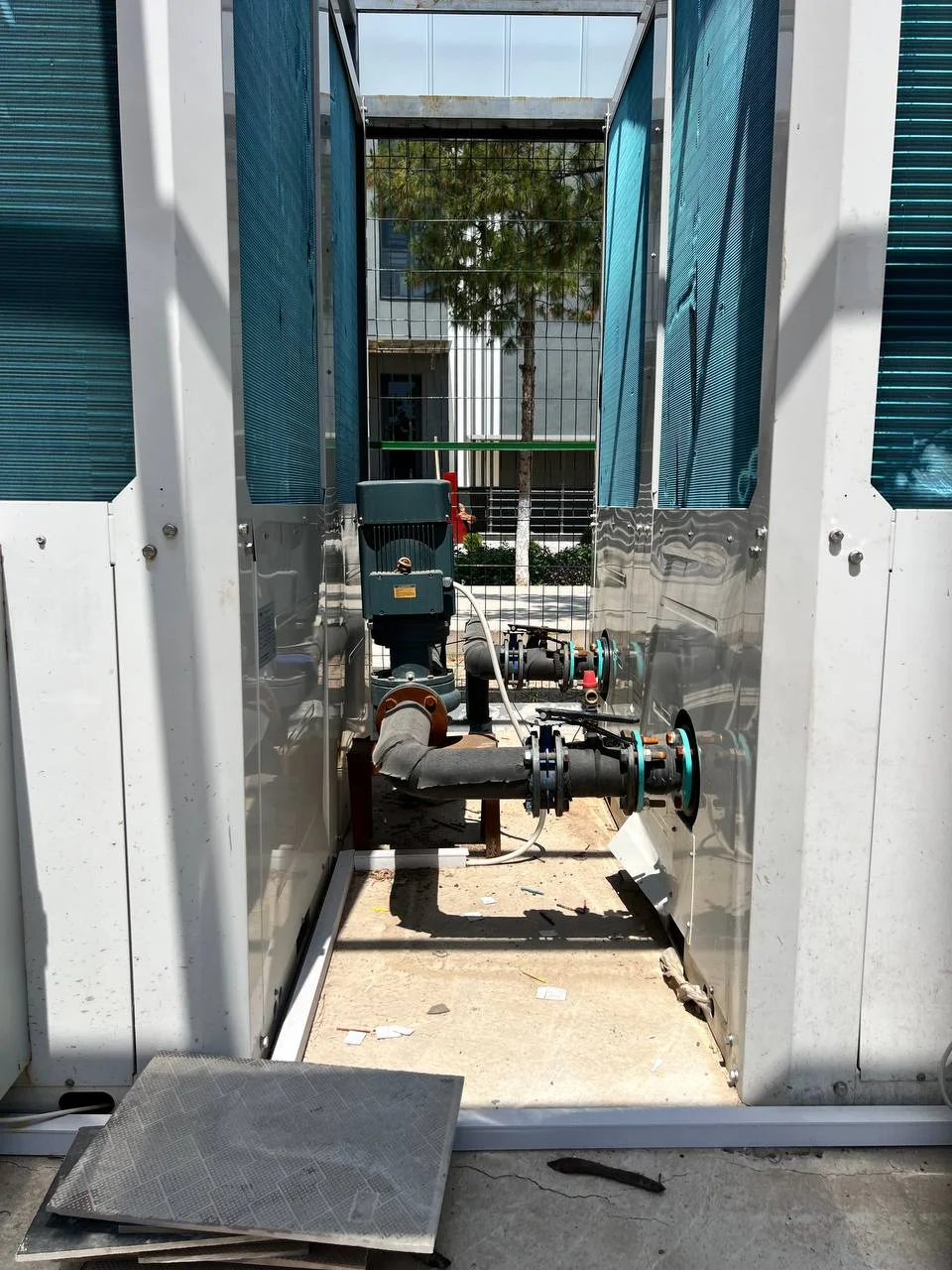
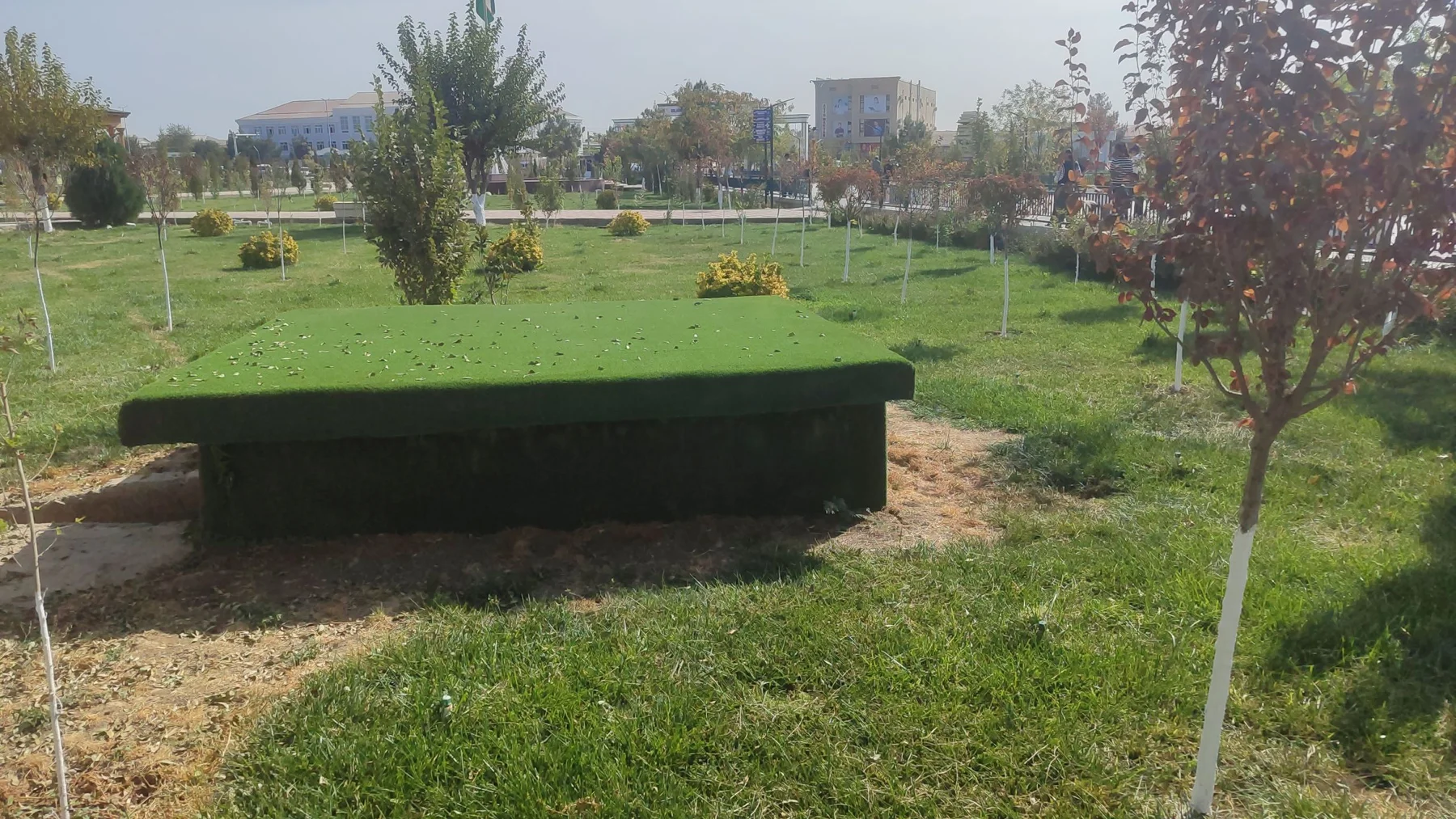
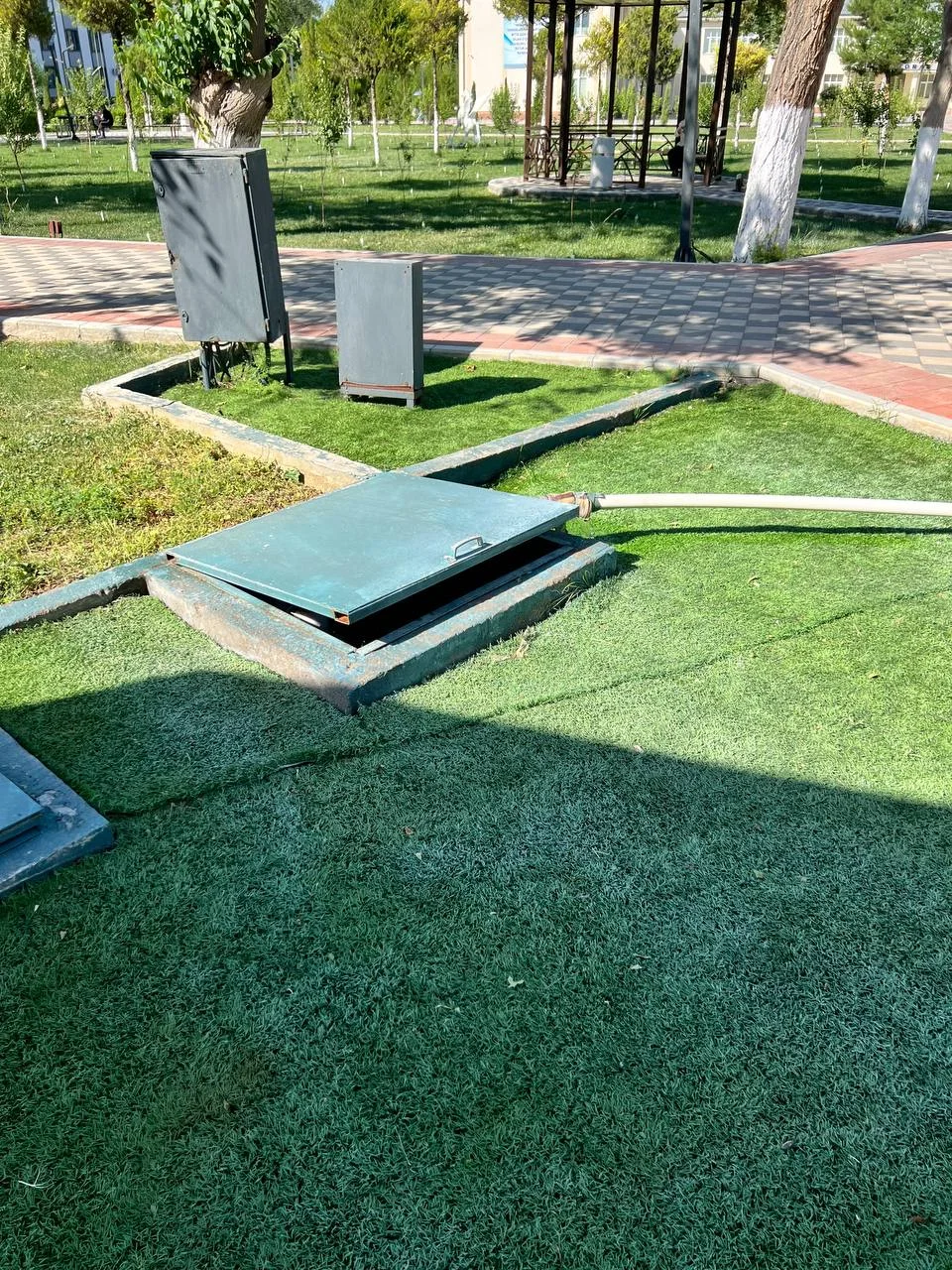
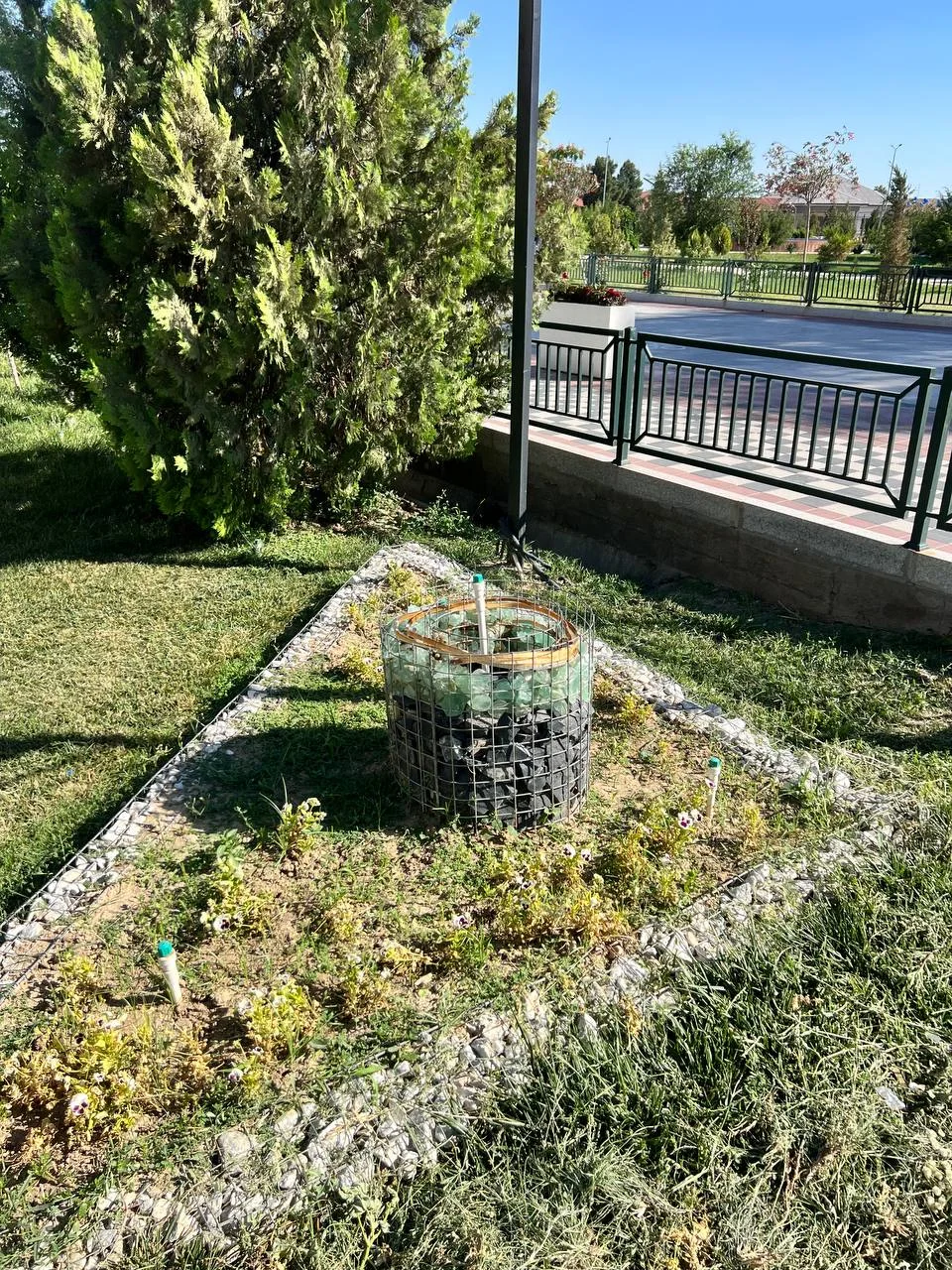
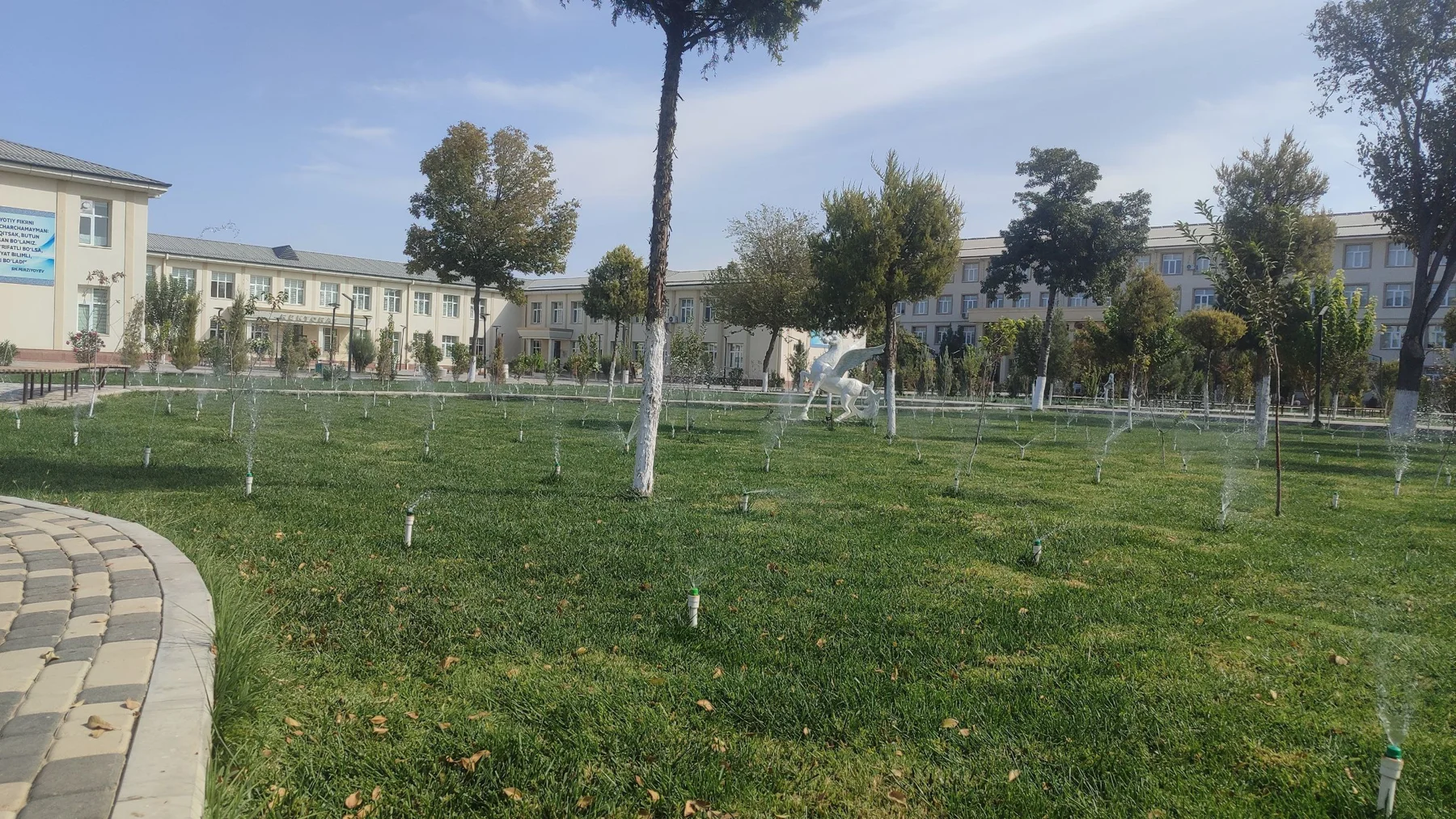
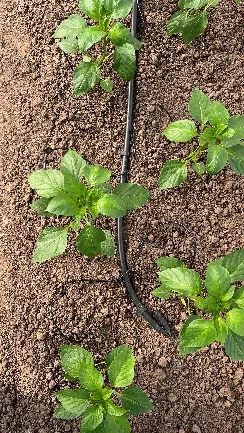
University includes 15 artesian wells, reverse-osmosis (RO) purification, above-ground and underground reservoirs, rainwater collection, water-absorption areas and recharge pits. The documented campus area is 319,107 m², of which 89,350 m² (approximately 28%) is reported as water-absorption area, excluding forest and planted vegetation. Rainwater collected from roof drainage and reused for landscape irrigation, as well as non-potable technical water used for irrigation. These practices should be maintained and verified through operational records. The RO station purifies artesian water; unless technical documentation establishes otherwise, it must not be described as a wastewater-reuse system.
-reuse water only for purposes appropriate to its quality and treatment level.
-do not use reused water for drinking, food preparation or personal hygiene unless it meets applicable drinking-water requirements and is specifically authorised for that use.
-clearly identify non-potable water systems and separate them from drinking-water pipework to prevent cross-connections and contamination.
-inspect and maintain treatment systems, tanks, pumps, pipes and irrigation equipment according to technical requirements.
-where relevant, test water quality and retain records. Suspend affected reuse activities if contamination or unsafe conditions are suspected until assessed and resolved.
-comply with applicable national laws, sanitary requirements, environmental rules and technical standards.
Responsible party | Responsibilities |
|---|---|
University leadership | Approve the policy, provide oversight and support implementation. |
Facilities / infrastructure unit | Identify reuse opportunities; maintain systems; keep source, treatment, use and maintenance records. |
Sustainability coordinator or designated unit | Coordinate implementation, compile evidence, monitor indicators and prepare reports. |
Procurement and project teams | Consider reuse and water efficiency in relevant design, procurement, renovation and construction. |
Qualified technical personnel | Advise on water-quality testing, treatment performance and safe end uses. |
Campus departments and users | Report leaks, follow instructions and avoid misuse of non-potable systems. |
Contractors and service providers | Follow University procedures and applicable technical and safety requirements. |
Maintain an inventory of water sources, reuse systems, storage facilities and end uses across university sites.
Identify feasible projects to expand rainwater harvesting and safe reuse of treated water.
Record, where measurable, the volume of water collected, treated and reused, including purpose and reporting period.
Keep plans, technical specifications, photographs, service records and water-quality results as evidence.
Review water reuse performance at least annually and identify practical improvements.
Include water reuse considerations in relevant campus landscaping and building projects.
Evidence of implementation may include this approved policy, the relevant Rector’s order or approval record, campus water-management plans, rainwater harvesting and reuse-system documentation, photographs, technical drawings, maintenance logs, water-quality test results, and records showing the volume and purpose of reused water. Publicly available evidence should be published on the University website where appropriate. Sustainability reporting must distinguish water purification from reuse of water that has already been used or collected for reuse.
This policy shall be reviewed at least once every three years, or earlier where regulations, campus infrastructure, water availability, treatment technology or identified risks change. The review shall consider implementation records, opportunities to improve reuse, and feedback from relevant university units.
|
|---|
|
Water purification and recycling station |
|
|---|
|
|
|
Example |
| |
|---|---|
| |
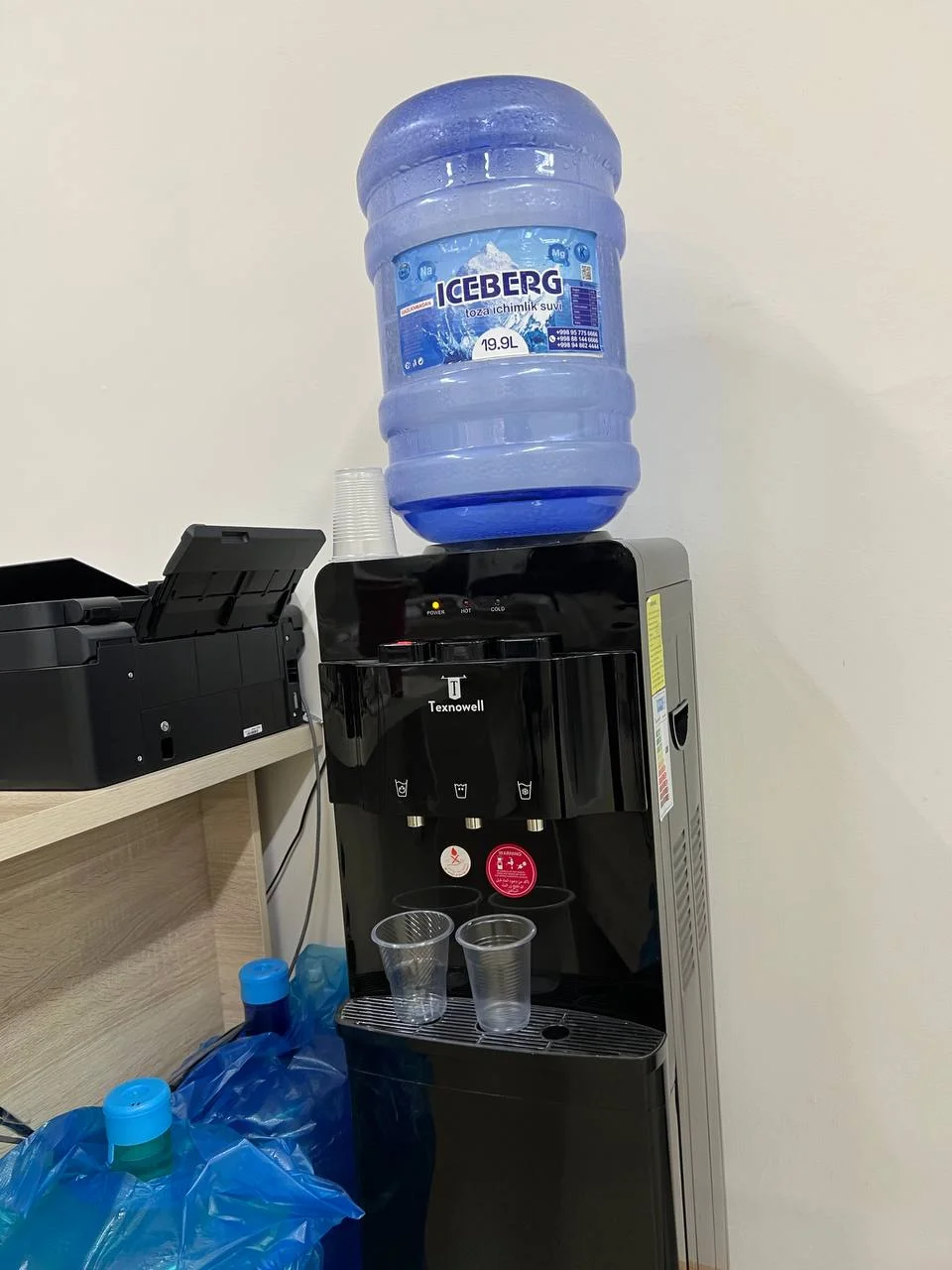
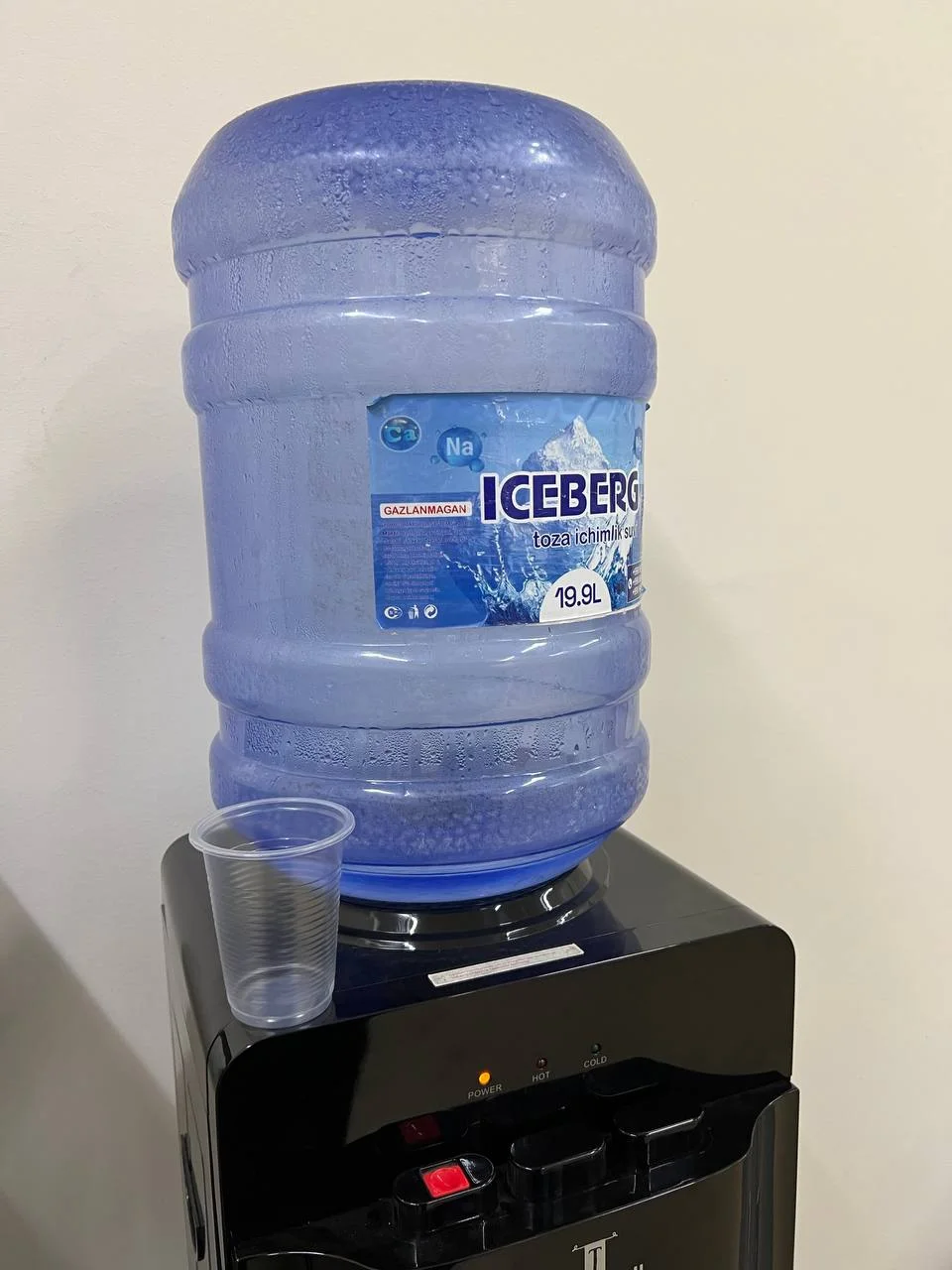
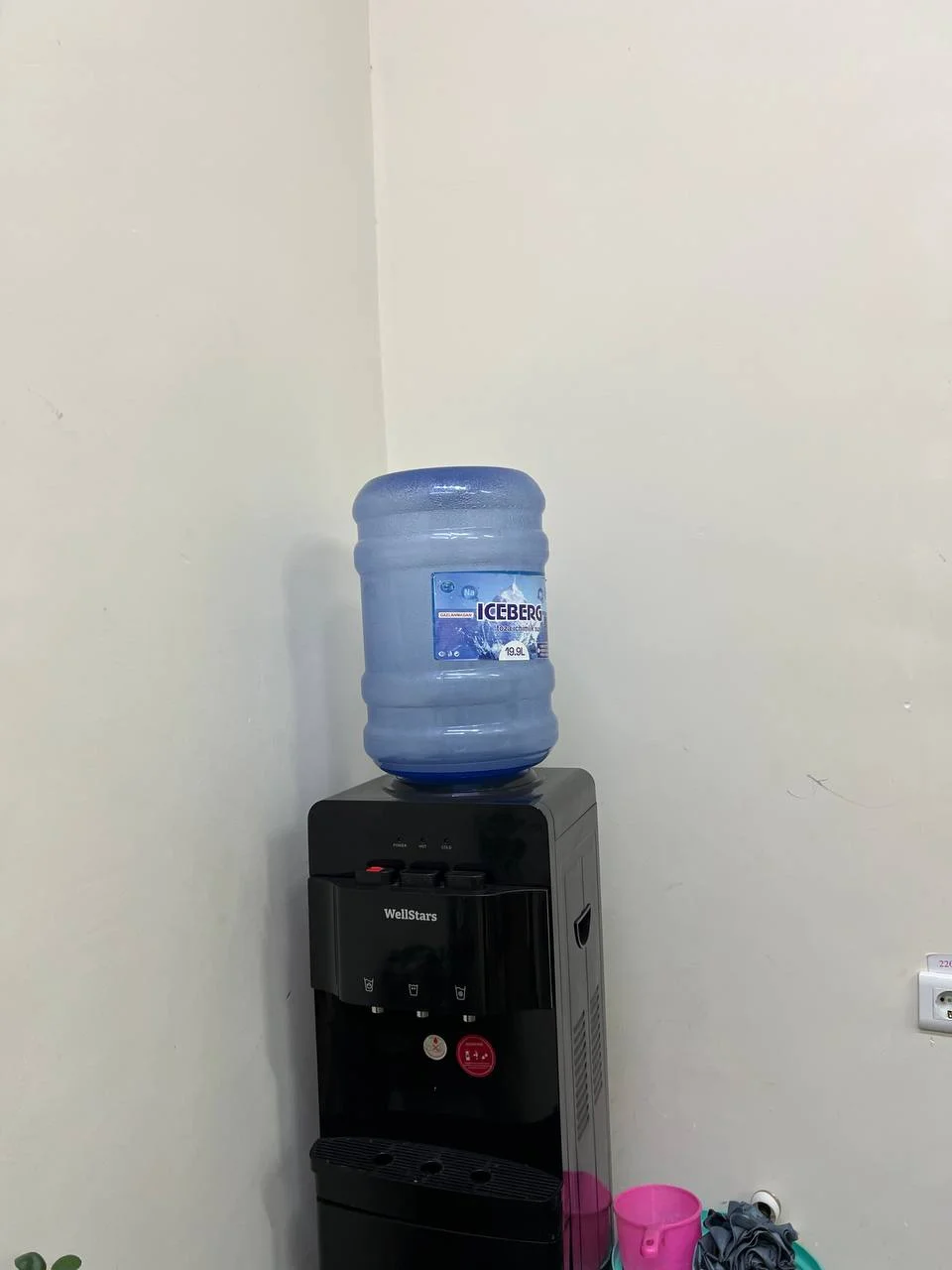
|
|
|---|---|
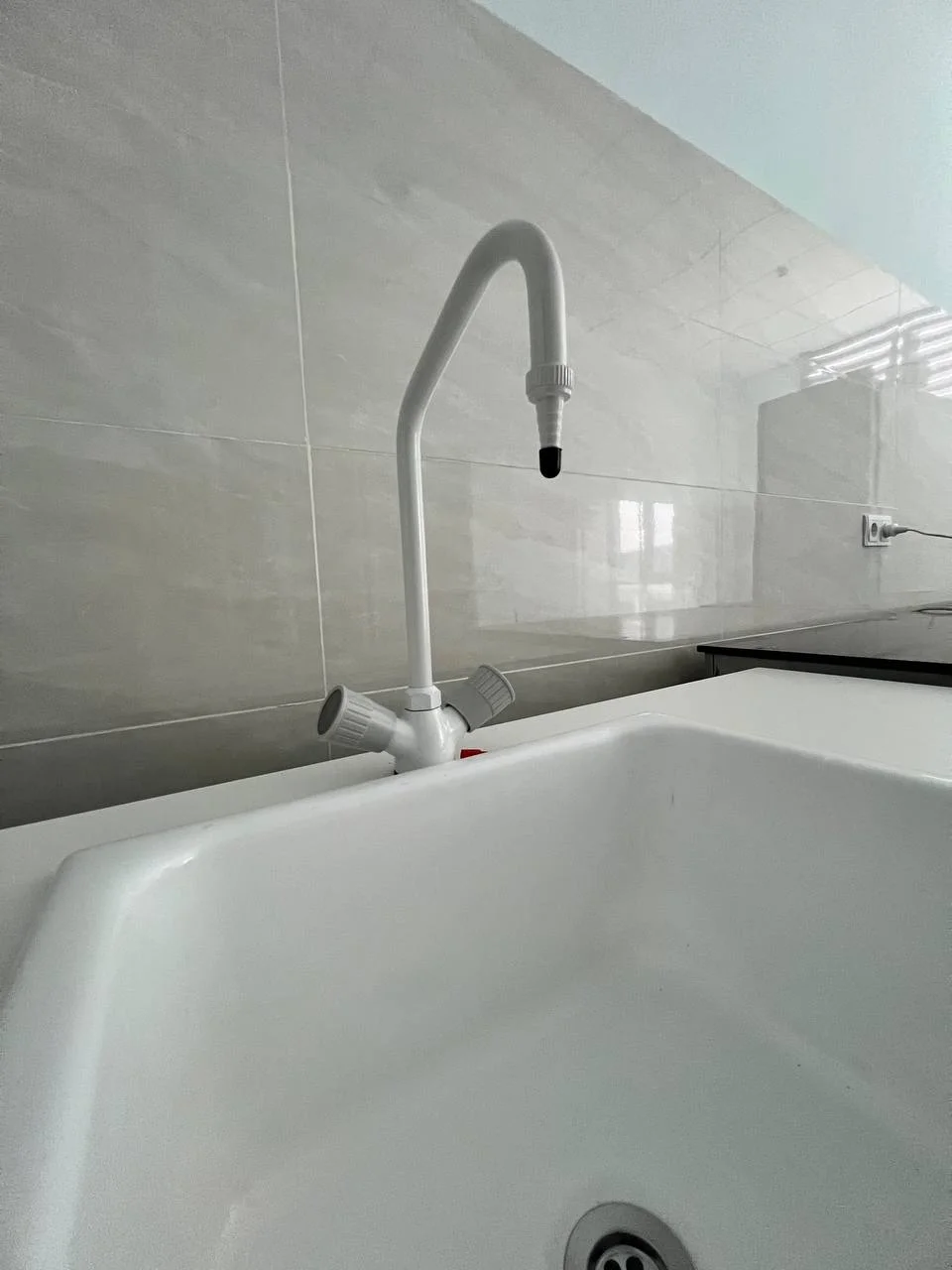
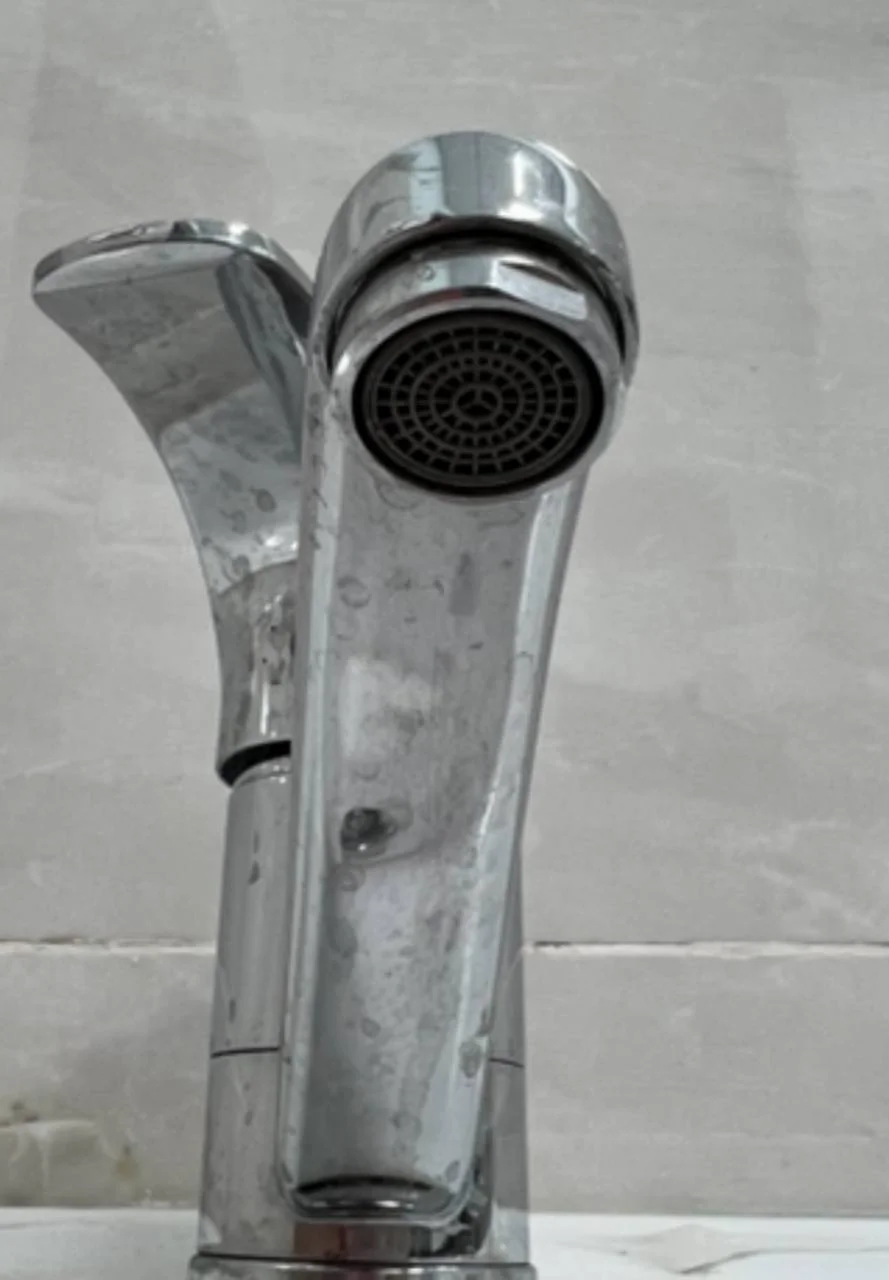
Example of Water Efficient Appliances Usage (Karshi State University) | |
| |
Example of Water Efficient Appliances Usage (Karshi State University) | |
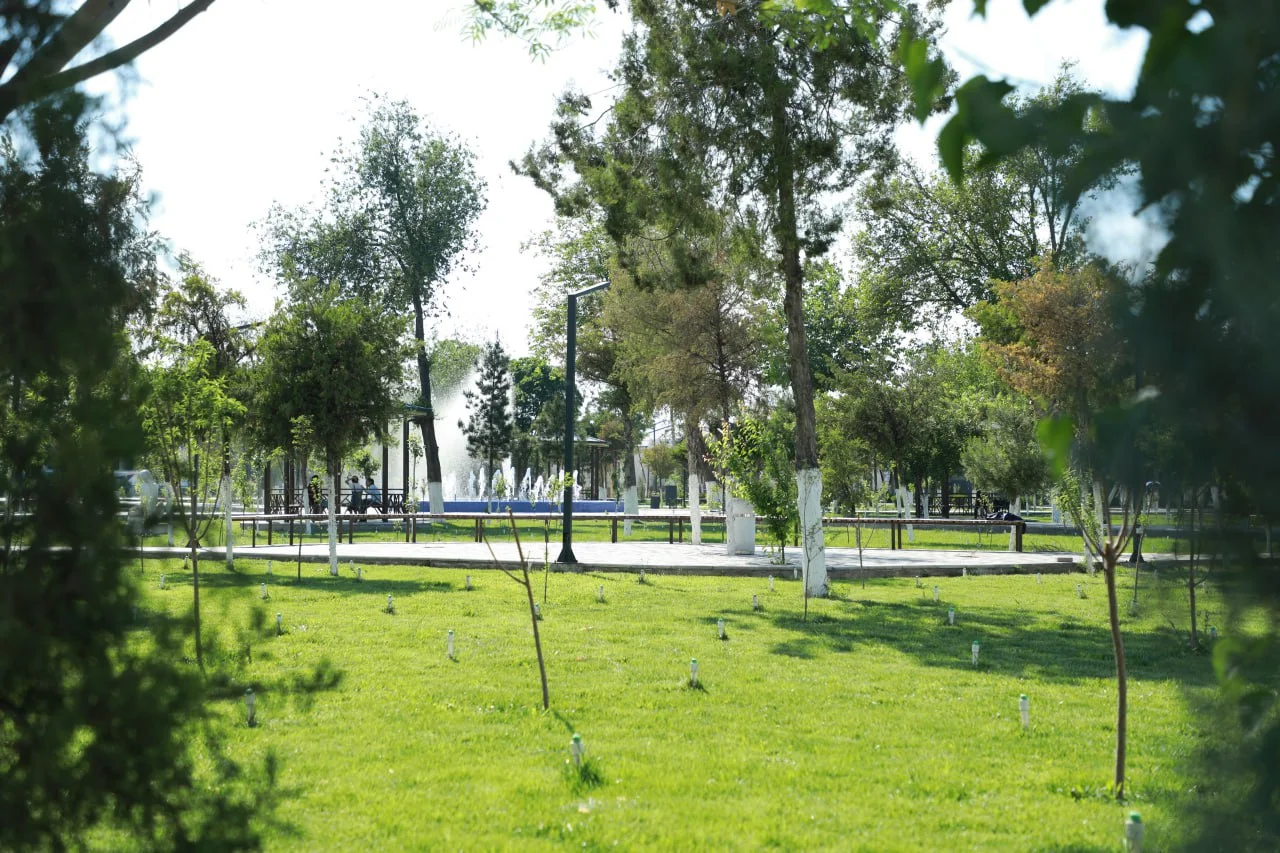
Karshi State University cooperates with national and regional water-supply organisations, including “O‘zbekiston Suv Ta’minoti” AJ and “Qashqadaryo Suv Ta’minoti” AJ, on issues related to water supply, water quality, water conservation, and sustainable water management.
Cooperation with “O‘zbekiston Suv Ta’minoti” AJ
Cooperation with “O‘zbekiston Suv Ta’minoti” AJ concerns the provision of drinking water to university facilities and the responsible management of water resources. Relevant areas of cooperation include:
-coordination regarding the university’s centralised water supply.
-water-quality monitoring and technical consultation.
-installation, verification, and use of water meters, where documented.
-promoting responsible water consumption and water-saving practices.
Cooperation with “Qashqadaryo Suv Ta’minoti” AJ
At the regional level, cooperation with “Qashqadaryo Suv Ta’minoti” AJ may support the reliable operation and maintenance of water-supply infrastructure serving the university. Relevant activities include:
-coordination on water supply and distribution.
-technical inspection of water infrastructure.
-identification of leaks and recommendations for their prevention.
-information exchange on water conservation and efficient water management.
No. | Activity | Partner | Period | Intended outcome |
|---|---|---|---|---|
1 | Drinking-water quality testing and monitoring | O‘zbekiston Suv Ta’minoti AJ | 2024–2025 | Monitoring drinking-water quality |
2 | Water-meter installation or verification | O‘zbekiston Suv Ta’minoti AJ | 2024–2025 | Improved measurement of water consumption |
3 | Inspection of water-supply infrastructure | Qashqadaryo Suv Ta’minoti AJ | 2024–2025 | Identification and prevention of leaks |
4 | Water-conservation awareness activities | Both organisations, where applicable | 2024–2025 | Improved awareness of responsible water use |